
MT News Service
Jammu, November 10:
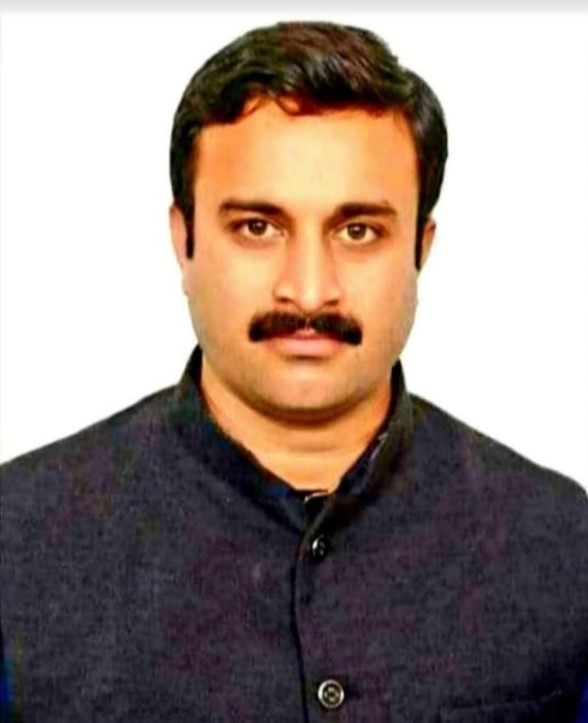
Diwali is celebrated on the Amavasya of the Kartik month. In this regard, Mahant Rohit Shastri, President of Shri Kailakh Jyotish avim Vedic Sanathan Trust, said that Diwali is one of the country’s biggest festivals. Performing puja on Diwali with the right auspicious timing and method ensures the continuous blessings of Goddess Lakshmi. This year, Diwali and Narak Chaturdashi fall on the same day, Sunday, November 12. As per the scriptures, Narak Chaturdashi is observed on the day of sunrise, so this year, it will be observed on November 12, Sunday. Narak Chaturdashi is also known as Chhoti Diwali.
The Amavasya period begins on November 12, Sunday, at 02:45 PM and concludes on November 13, Monday, at 02:57 PM. Diwali Amavasya is observed on the night of November 12. Since Amavasya ends on November 13, Monday, at 02:57 PM, Diwali and Narak Chaturdashi (Chhoti Diwali) will be celebrated on the same day, November 12, Sunday.
Goddess Lakshmi emerged from the Samudra Manthan on the Amavasya day of Kartik month. On this day, Lord Rama returned to Ayodhya after fourteen years of exile. The citizens lit lamps and celebrated, symbolizing the end of darkness. Mahant Rohit Shastri mentioned that this Diwali will be beneficial and auspicious for traders and the public, bringing prosperity and good fortune.
**Lakshmi Puja Muhurat 12 November Sunday:** From 05:41 PM to 07:37 PM on November 12. Pradosh Kaal is from 05:28 PM to 08:08 PM.
**Auspicious Choghadiya Puja Muhurat on Diwali:*
– Afternoon Muhurat (Shubh): 01:27 PM to 02:46 PM
– Evening Muhurat (Shubh, Amrit, Chal): 05:29 PM to 10:26 PM
– Night Muhurat (Labh): 01:43 AM to 03:22 AM
– Ushakal Muhurat (Shubh): 05:02 AM to 06:41 AM
**Recommended Deities for Worship:**
Worship Lord Ganesha, Shri Lakshmi-Narayan, Lord Kubera, and perform Kalash Puja. Lighting lamps and offering prayers are considered auspicious.
**Puja Procedure:**
Take a pure water bath, purify the puja area with Ganga water, and perform Shodashopachar Puja for Lord Ganesha, Kubera, and Lakshmi-Narayan. Light lamps, recite Shri Suktam, Kanakadhara Stotram, Laxmi Chalisa, or any Laxmi mantra. The night of Diwali is significant for chanting mantras, performing austerities, and spiritual practices.
**Puja Mantra:**
“Om Hiranyavarnan Harinim Suvarna Rajat Srajam
Chandraam Hiranyamayim Lakshmi Jaatavedo Ma Aavaha.”
After the puja, offer kheer and perform Aarti. Keep the deities’ idols in the puja area throughout the night and immerse them the next day.
**Things to Buy on Diwali:**
This day is considered auspicious for buying property, land, houses, shops, jewelry, gold, silver, utensils, electronic items, and making investments. Avoid consuming tamasic items, alcohol, and gambling during this time for positive effects on both the body and future.
**Puja Materials:**
Milk, curd, honey, sugar, desi ghee, lotus and rose flowers, betel leaves, turmeric, sandalwood, rice, betel nuts, supari, seasonal fruits, flower garland, perfume, sindoor, kumkum, betel nuts, durva grass, cardamom, camphor, haldi-chuna paste, fragrant substances, dhoop, incense sticks, and a red or yellow cloth.